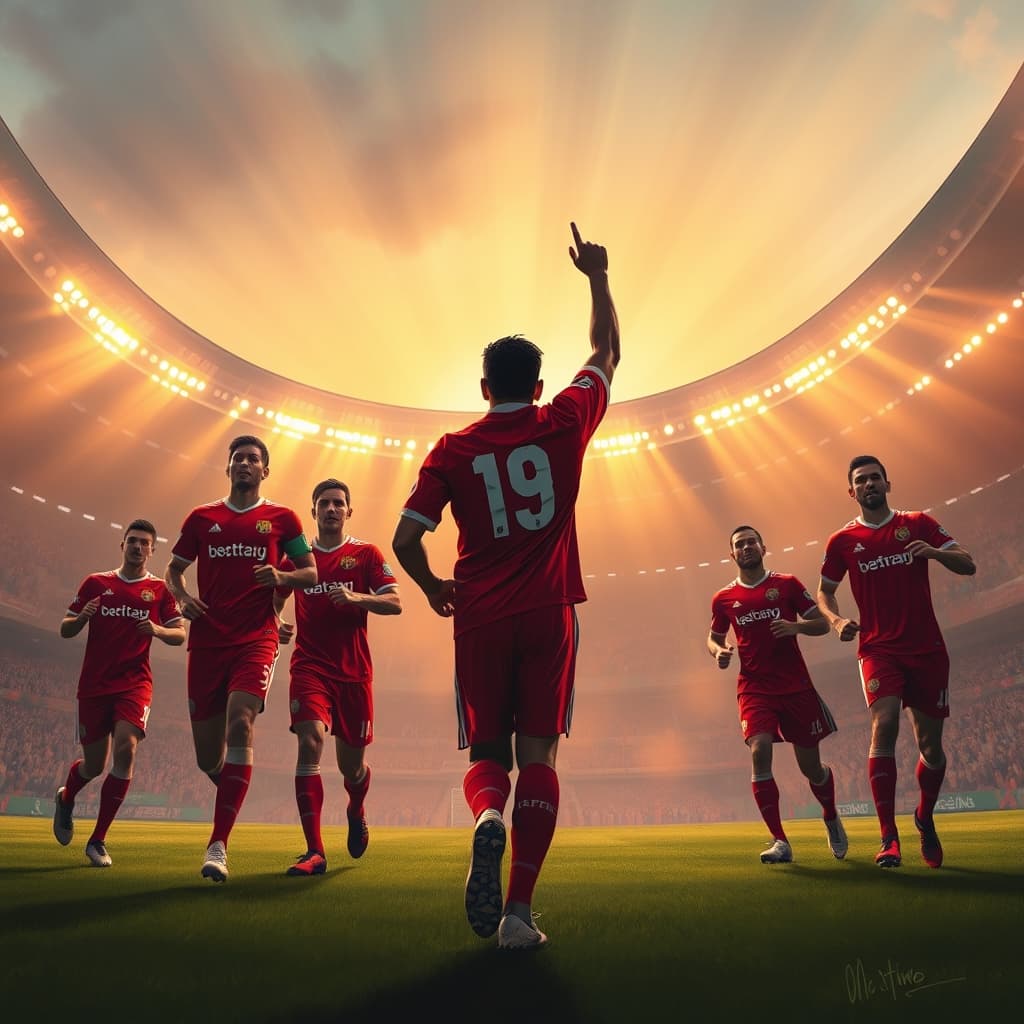

A cross-party group of European Union lawmakers has tabled a motion calling for urgent reforms to FIFA’s governance structure, citing conflicts of interest and opacity in decision-making as the 2026 World Cup and 2028 Olympics approach. The move, first reported by Reuters, marks the most concerted political challenge to FIFA’s authority in years and threatens to overshadow the tournament’s preparations with institutional scrutiny.
A political earthquake in football’s corridors
The motion, filed in the European Parliament on Tuesday, demands FIFA open its governance to independent audits and publish detailed financial disclosures related to World Cup 2026 commercial deals. It also calls for stricter rules on conflicts of interest among senior FIFA officials, particularly in relation to World Cup hosting decisions and broadcasting rights negotiations. The timing is brutal: with the tournament less than two years away, the motion signals that FIFA’s traditional insulation from political oversight in Europe may be eroding Floods, damage mount as extreme weather batters India FIFA faces fresh governance storm as EU lawmakers target.
Sources close to the negotiations told Reuters that the motion has cross-party support, including from members of the European People’s Party and the Greens. While non-binding, the move increases pressure on FIFA to engage with regulators ahead of the tournament’s commercial rollout. The motion follows years of criticism over the opaque awarding of the 2026 and 2030 World Cups, with lawmakers now framing FIFA’s governance as a matter of public accountability rather than merely sporting administration Floods, damage mount as extreme weather batters India.
Why the EU is suddenly interested in FIFA’s books
The catalyst for this intervention appears to be a combination of high-profile controversies and structural concerns. FIFA’s commercial partnerships for World Cup 2026, which include multi-billion-dollar deals with broadcasters and sponsors, have been scrutinised by EU officials for potential anti-competitive practices. Separately, the awarding of the 2026 hosting rights to a joint bid by the US, Canada, and Mexico—despite concerns over human rights records and stadium readiness—has prompted calls for greater transparency in decision-making Floods, damage mount as extreme weather batters India.
The motion also highlights FIFA’s dual-track approach to governance, where its foundation arm (FIFA Foundation) operates with different financial reporting standards to the main body. MEPs argue this creates a “shadow accounting system” that obscures how World Cup revenues are deployed, particularly in areas like legacy projects and social initiatives. FIFA has historically resisted such disclosures, citing commercial confidentiality, but the EU motion suggests this stance is no longer tenable in the run-up to a tournament of this scale Floods, damage mount as extreme weather batters India.
The 2026 World Cup’s awkward overlap with Olympic flag football
This political pressure arrives as FIFA prepares for a logistically complex World Cup across three host nations, with the added complication of flag football making its Olympic debut in Los Angeles in 2028. NFL stars like Buffalo Bills quarterback Josh Allen have already signalled their willingness to participate, but the governance storm threatens to distract from the tournament’s preparations. Fox News reported that Allen described the opportunity as “very honored” to represent Team USA, framing flag football as a bridge between American football and the Olympic movement Josh Allen says he would be 'very honored' to play for Team USA in flag football at 2028 Olympics - Fox News.
The juxtaposition is stark: as FIFA faces scrutiny over its financial transparency, the NFL is positioning itself as a willing partner for Olympic inclusion. Roger Goodell, speaking in the context of NFL players’ Olympic ambitions, framed the 2028 Games as an opportunity for American athletes to “represent their country” while competing in a global showcase Josh Allen says he would be 'very honored' to play for Team USA in flag football at 2028 Olympics - Fox News. This contrast underscores FIFA’s vulnerability: while other sports bodies are courting Olympic credibility, FIFA is on the defensive over basic governance standards.
What it means for World Cup 2026 and beyond
The immediate implication is that FIFA may be forced into pre-emptive concessions to avoid a full-blown political confrontation. Analysts suggest the organisation could announce a third-party audit of its World Cup 2026 financial planning, or publish a redacted version of its commercial contracts to satisfy regulators. Such moves would be politically expedient but risk setting a precedent for future tournaments, where FIFA’s autonomy could be further circumscribed by national governments Floods, damage mount as extreme weather batters India.
For the 2026 World Cup itself, the governance storm could translate into operational delays if FIFA diverts resources to address the EU motion. Sponsors and broadcasters, already sensitive to reputational risks, may demand additional compliance guarantees before finalising deals tied to the tournament. This could affect everything from stadium readiness to fan experience initiatives, particularly in the US and Canada where infrastructure projects are still ongoing Floods, damage mount as extreme weather batters India.
Longer-term, the motion signals a broader shift in how global sports governance is policed. The EU’s intervention follows similar moves by the UK’s Competition and Markets Authority, which has previously investigated FIFA’s commercial practices. If successful, this could embolden other jurisdictions to scrutinise FIFA’s decision-making, from World Cup bidding processes to the distribution of revenues from the 2026 tournament Floods, damage mount as extreme weather batters India.
What’s next
The European Parliament’s plenary session next month will vote on whether to adopt the motion as a formal resolution. If passed, FIFA would face a 90-day deadline to respond with concrete reforms or risk further political action, including potential sanctions under EU competition law. Insiders suggest FIFA’s leadership is already engaged in behind-the-scenes negotiations to soften the motion’s language, but the organisation’s historic reluctance to cede control suggests a bruising confrontation lies ahead Floods, damage mount as extreme weather batters India.
For fans and stakeholders, the next 12 months will be critical. The 2026 World Cup must navigate this governance storm while delivering a tournament that meets commercial, sporting, and ethical expectations. If FIFA fails to address the concerns raised by EU lawmakers, the tournament risks being overshadowed by off-field controversies—a scenario that would undermine the global credibility the World Cup has long traded on Floods, damage mount as extreme weather batters India.