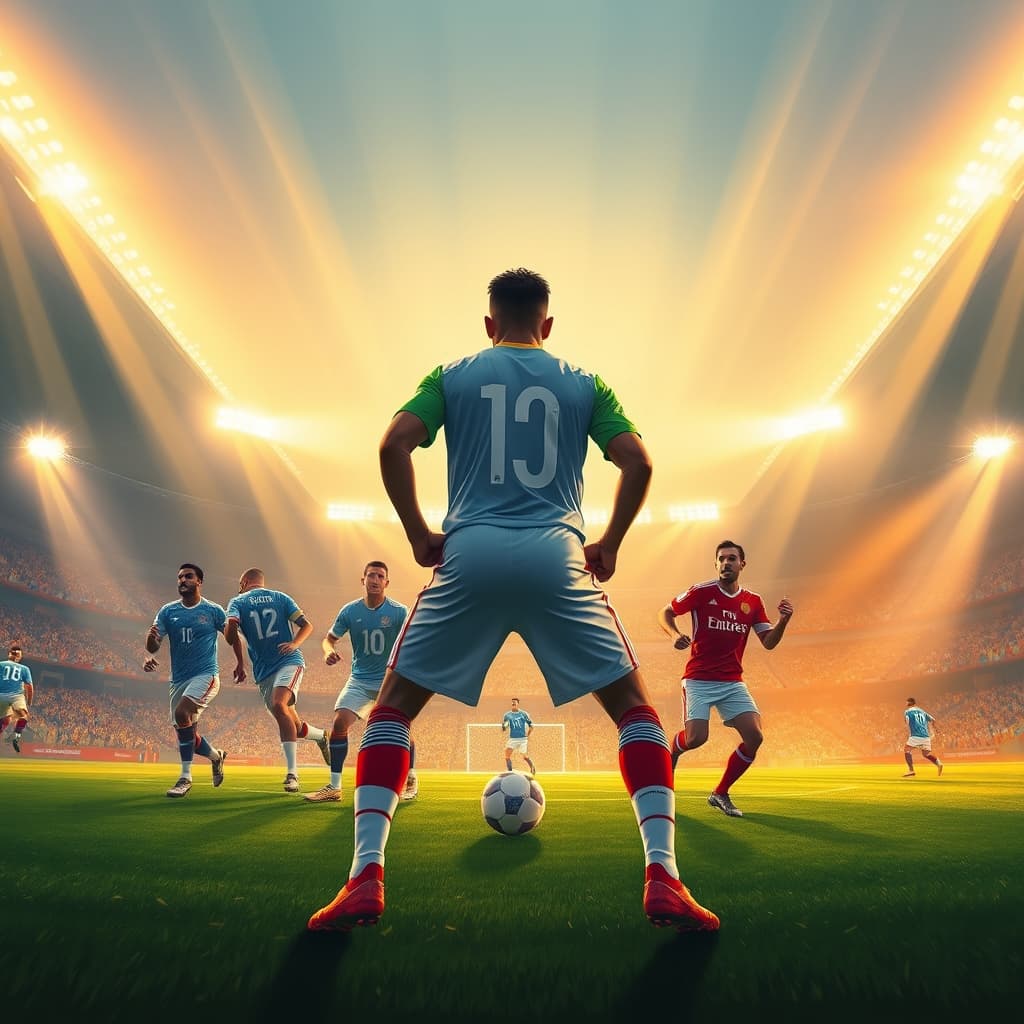

Portugal and Congo DR kick off their World Cup 2026 campaigns on June 17 in Group K at a neutral venue. With no points on the board and the group wide open, both sides face a baptism of fire as they look to stamp their authority early. The Portuguese arrive with a golden generation still chasing a first major trophy, while the Congolese bring a rising squad with African flair and defensive resilience. This fixture carries the weight of expectation for both teams—Portugal must avoid a stumble, and Congo DR will fancy their chances to unsettle the established order.
The stakes for both sides
Portugal begin their World Cup 2026 journey with everything to prove after falling short at Euro 2024. Roberto Martínez’s side have assembled a squad rich in attacking talent but remain haunted by the ghost of penalty shoot-outs and late collapses. A win here would send a clear message about their intent and settle nerves in a group that also includes Morocco and Iran. A draw would still leave room for optimism, but anything less than victory risks early alarm bells Portugal squad profile.
Congo DR, meanwhile, are aiming to build on their recent progress under Sébastien Desabre. The Leopards have shown resilience in Africa Cup of Nations qualifying and will view this as a chance to announce themselves on the global stage. A positive result could ignite belief across their fanbase and set the tone for what promises to be a competitive group. The challenge is to avoid being overwhelmed by Portugal’s individual brilliance while staying compact and organised DR Congo squad profile.
Recent form and narrative
Portugal’s preparation has been steady but unremarkable. They navigated a straightforward World Cup qualifying campaign without losing a game, though their performances rarely convinced. Martínez has rotated his squad liberally, keeping faith in a core of experienced internationals and emerging talents. The narrative remains one of potential unfulfilled—can this golden generation finally deliver when it matters most? Portugal fixtures and results
Congo DR’s form is harder to gauge given their limited high-level fixtures in recent years. However, their Africa Cup of Nations showing in 2023—where they reached the quarter-finals—demonstrated tactical discipline and a sturdy defensive structure. Desabre has instilled a pragmatic approach, blending physicality with quick transitions. They may lack the star power of Portugal, but their collective spirit could make them difficult to break down DR Congo results and fixtures.
Team news and injuries
Portugal are expected to be without Rafael Leão due to a hamstring issue, though the club insists he is close to full fitness “Leão nearing return after hamstring scare”. Bruno Fernandes is likely to lead the attack once again, with Bernardo Silva and Vitinha offering creativity. The defence remains unsettled, with Danilo Pereira and Gonçalo Inácio competing for the right-back berth. Injuries to Danilo Pereira and Raphaël Guerreiro are being monitored, but both are expected to start Portugal injury list.
Congo DR’s biggest concern is the fitness of captain Chancel Mbemba, who missed the final Africa Cup of Nations warm-up with a minor knock. If he is unavailable, central defensive duties could fall to Omenuke Mfulu or new cap Ethan Mboma. Midfield anchor Gaël Kakuta is fit and will be pivotal in breaking up play, while Cedrick Bakambu leads the line with experience and composure. The Leopards are expected to line up in a 4-2-3-1, with a mid-block and rapid counter-attacks their likely approach DR Congo injury update.
Predicted lineups (as reported)
Portugal (4-3-3): Diogo Costa; Nélson Semedo, Gonçalo Inácio, Rúben Dias, Danilo Pereira; João Neves, Bruno Fernandes, Vitinha; Bernardo Silva, Gonçalo Ramos, Rafael Leão.
Congo DR (4-2-3-1): Lionel Mpasi; Arthur Masuaku, Omenuke Mfulu, Chancel Mbemba, Christian Luyindula; Gaël Kakuta, Samuel Moutoussamy; Jordan Botaka, Samuel Nzita, Trésor Mputu; Cedrick Bakambu.
Sources: Portugal predicted XI, DR Congo predicted XI
Tactical outlook and crowd prediction
Martínez is likely to deploy a fluid 4-3-3, with Fernandes as the creative fulcrum and Leão stretching defences on the left. Portugal’s width will come from Bernardo Silva cutting inside and Semedo bombing forward, while Ramos and Leão combine in the final third. The midfield trio of Neves, Fernandes, and Vitinha offers both control and dynamism, but their defensive transitions remain a concern against quick counter-attacking sides.
Desabre’s Congo DR will sit deep, absorb pressure, and look to exploit spaces behind Portugal’s full-backs. Mbemba’s presence at the heart of defence will be crucial, while Kakuta and Moutoussamy will attempt to disrupt Portugal’s rhythm. Bakambu’s movement and hold-up play could cause problems, especially if Portugal’s centre-backs are drawn out of position. The Leopards’ set-piece threat—particularly from corners—should not be underestimated.
Reader predictions from Kickoff XI’s crowd model suggest a narrow Portugal victory, with 58% forecasting a win, 24% a draw, and 18% an upset. The most popular scoreline is 2-1 to Portugal, reflecting confidence in their attacking talent but also an awareness of Congo DR’s defensive organisation Kickoff XI reader predictions.
Verdict: Portugal edge a cagey opener
This match is unlikely to be a high-scoring affair. Portugal’s technical superiority will likely edge the contest, but Congo DR’s organisation means they will not roll over. A single goal from a set-piece or a moment of individual brilliance could settle the game. Expect Portugal to control possession but struggle to break down a disciplined defensive block. Congo DR will frustrate, counter, and hope to nick a goal from a dead-ball situation.
A draw would do neither side any favours, so both will push for the win. Portugal’s greater depth in quality should prevail, but this will be a stern early test of their tournament readiness. Congo DR, meanwhile, will take heart from a competitive showing regardless of the outcome.
Kickoff XI is an independent publication and is not affiliated with FIFA.